
 Library Science BooksMCQ Practice Set ₹259 • LIS Book (8th ed.) ₹489Book Store खोलें →
पश्चिम बंगाल कॉलेज सर्विस कमीशन (WBCSC) भारत के उन गिने-चुने आयोगों में है जो अपनी राज्य पात्रता परीक्षा (SET) के प्रश्नपत्र, अंतिम उत्तर-कुंजी और जंबलिंग ऑर्डर — तीनों विषयवार प्रकाशित करता है, और सिर्फ़ पिछले साल का नहीं, 19वें SET से 27वें SET तक। लाइब्रेरी एंड इन्फ़ॉर्मेशन साइंस का विषय कोड 19 है। इस पेज पर उन सब को एक साथ रख दिया है — कुल 31 आधिकारिक PDF, साथ में हर उम्मीदवार के लिए अनिवार्य पेपर-I (सामान्य) भी।
The West Bengal College Service Commission (WBCSC) is among the very few commissions in India that publish the question paper, the final answer key and the jumbling order — all three subject-wise for their State Eligibility Test, and not merely for last year but from the 19th SET right through to the 27th. Library and Information Science carries subject code 19. Everything is gathered on this page — 31 official PDFs in all, plus the Paper-I (General) that every candidate must sit.
यह सामग्री सिर्फ़ पश्चिम बंगाल वालों के काम की नहीं है। WB SET का पेपर-II UGC NET के पाठ्यक्रम पर ही चलता है, इसलिए देश भर के NET/JRF अभ्यर्थियों के लिए यह नौ साल का हल किया हुआ अभ्यास-भंडार है — और वह भी सरकारी कुंजी के साथ, किसी कोचिंग की अनुमानित कुंजी से नहीं।
This material is not useful only to candidates in West Bengal. The WB SET Paper-II follows the UGC NET syllabus, so for NET/JRF aspirants anywhere in India this is nine years of practice material — and with the government’s own key, not a coaching centre’s guess.
जंबलिंग ऑर्डर क्या है और इसकी ज़रूरत क्यों / What the Jumbling Order Is and Why You Need It
WBCSC उत्तर-कुंजी केवल X सीरीज़ के लिए जारी करता है। अगर आपकी पुस्तिका Y या Z सीरीज़ की थी, तो प्रश्नों का क्रम अलग था — वही कुंजी सीधे लगाने पर उत्तर ग़लत मिलेंगे। जंबलिंग ऑर्डर वह तालिका है जो बताती है कि X सीरीज़ का प्रश्न नंबर 1 आपकी सीरीज़ में किस नंबर पर था। इसलिए क्रम यह है: पहले अपनी सीरीज़ का प्रश्नपत्र हल करें → फिर जंबलिंग ऑर्डर से नंबर मिलाएँ → फिर X सीरीज़ की कुंजी से जाँचें।
WBCSC issues the answer key for the X series only. If your booklet was series Y or Z, the questions were in a different order, and applying that key directly will give you wrong answers. The jumbling order is the table that tells you which number question 1 of the X series carried in your series. So the sequence is: attempt the paper for your own series → map the numbers using the jumbling order → then check against the X-series key.
विषय कोड 19 — लाइब्रेरी एंड इन्फ़ॉर्मेशन साइंस, सभी नौ SET / Subject Code 19 — Library and Information Science, All Nine SETs
सबसे नए SET से शुरू करके पीछे की ओर। जहाँ Z सीरीज़ उपलब्ध नहीं थी, वहाँ आयोग ने जारी ही नहीं की। 20वें और 19वें SET तक पुराना तीन-पेपर प्रारूप चलता था (पेपर-I, II, III), इसलिए वहाँ पेपर-II और पेपर-III दोनों दिए हैं और उत्तर-कुंजी अलग से प्रकाशित नहीं हुई।
Newest SET first, working backwards. Where the Z series is missing, the commission did not release one. Up to the 20th and 19th SET the older three-paper pattern applied (Papers I, II and III), so both Paper-II and Paper-III are given there and no separate answer key was published.
27वाँ SET / 27th SET
26वाँ SET / 26th SET
25वाँ SET / 25th SET
24वाँ SET / 24th SET
23वाँ SET / 23rd SET
22वाँ SET / 22nd SET
21वाँ SET / 21st SET
20वाँ SET / 20th SET
19वाँ SET / 19th SET
पेपर-I (सामान्य, विषय कोड 00) — हर अभ्यर्थी के लिए अनिवार्य / Paper-I (General, Subject Code 00) — Compulsory for Everyone
SET में पेपर-I सभी विषयों के अभ्यर्थियों के लिए एक ही होता है — शिक्षण एवं शोध अभिक्षमता, तर्कशक्ति, आँकड़ों की व्याख्या, संप्रेषण और पर्यावरण। कई अभ्यर्थी विषय में अच्छा करके भी यहीं अटक जाते हैं। 27वें SET का पेपर-I और उसकी कुंजी नीचे है।
In the SET, Paper-I is the same for candidates of every subject — teaching and research aptitude, reasoning, data interpretation, communication and environment. Many candidates do well in their subject and come unstuck here. The 27th SET Paper-I and its key are below.
| आयोग / Commission | पश्चिम बंगाल कॉलेज सर्विस कमीशन (1979 में स्थापित) / West Bengal College Service Commission (established 1979) |
| परीक्षा / Exam | राज्य पात्रता परीक्षा (SET) / State Eligibility Test (SET) |
| विषय कोड / Subject code | 19 — लाइब्रेरी एंड इन्फ़ॉर्मेशन साइंस / 19 — Library and Information Science |
| उपलब्ध संस्करण / Editions available | 19वाँ से 27वाँ SET / 19th to 27th SET |
| पुस्तिका सीरीज़ / Booklet series | X, Y (कुछ में Z) / X, Y (Z in some) |
| उत्तर-कुंजी / Answer key | केवल X सीरीज़ के लिए — बाक़ी हेतु जंबलिंग ऑर्डर / X series only — use jumbling order for the rest |
| पाठ्यक्रम / Syllabus | UGC NET के अनुरूप / Aligned with UGC NET |
इनसे तैयारी कैसे करें / How to prepare with these
- सबसे नए तीन SET (27वाँ, 26वाँ, 25वाँ) पहले करें। इन्हीं में वर्तमान पाठ्यक्रम और वर्तमान कठिनाई-स्तर दिखता है। पुराने संस्करण बाद में, केवल अभ्यास बढ़ाने के लिए। / Do the three most recent SETs first (27th, 26th, 25th). These show the current syllabus and the current difficulty level. The older editions come later, only to add volume.
- हर पेपर घड़ी लगाकर हल करें, फिर कुंजी देखें — पहले नहीं। नौ संस्करण उपलब्ध हैं, यानी आपके पास नौ पूरे मॉक टेस्ट हैं, वह भी सरकारी कुंजी के साथ। इन्हें पढ़ने की सामग्री मत बनाइए, परीक्षा बनाइए। / Attempt every paper under a clock and look at the key only afterwards. Nine editions means nine full mock tests with the government’s own key. Do not turn them into reading material; treat them as examinations.
- अपनी सीरीज़ का ध्यान रखें। अगर आप Y सीरीज़ का पेपर हल कर रहे हैं तो सीधे X की कुंजी मत लगाइए — पहले जंबलिंग ऑर्डर से नंबर मिलाइए, वरना पूरा स्कोर ग़लत निकलेगा। / Mind your series. If you are attempting the Y-series paper, do not apply the X-series key directly — map the numbers through the jumbling order first, or your whole score will be wrong.
- गलत प्रश्नों की विषयवार सूची बनाएँ। नौ पेपर हल करने के बाद आपके पास 900+ प्रश्नों का डेटा होगा; उसमें से जो 3–4 अध्याय बार-बार गलत निकलें, असली तैयारी वहीं है। / Keep a topic-wise list of what you got wrong. After nine papers you will have data on 900+ questions; the three or four chapters that keep coming up wrong are where the real preparation lies.
- पेपर-I को अलग समय दें। विषय में 90% लाकर भी पेपर-I में अटकने वाले हर साल मिलते हैं। शिक्षण अभिक्षमता, शोध प्रविधि, आँकड़ों की व्याख्या और पर्यावरण — चारों के लिए हफ़्ते में एक दिन निश्चित करें। / Give Paper-I its own time. Every year there are candidates who score 90% in the subject and still come unstuck in Paper-I. Set aside one day a week for teaching aptitude, research methodology, data interpretation and environment.
- UGC NET की तैयारी कर रहे हैं तो भी यही सामग्री काम की है। WB SET का पेपर-II NET के पाठ्यक्रम पर ही है — यानी बिना अतिरिक्त खर्च के नौ और हल किए हुए पेपर। / If you are preparing for UGC NET, this material still applies. The WB SET Paper-II follows the NET syllabus, so this is nine more solved papers at no extra cost.
अगर ऊपर दिए गए प्रश्नपत्र में कोई प्रश्न, टॉपिक या चैप्टर समझ में न आए, तो नीचे दिया गया कोर्स उसी कमी को भरने के लिए बना है:
- हिंदी और English दोनों में — जिस भाषा में पेपर देना है, अभ्यास भी उसी भाषा में।
- नवीनतम सिलेबस के अनुसार अपडेटेड — UGC NET और अन्य भर्तियों के सिलेबस में जो बदलाव हुए हैं, वे सब शामिल।
- लाइब्रेरी साइंस के ताज़ा करंट अफेयर्स — नए नियम, नई संस्थाएँ, नए पदाधिकारी और नई योजनाएँ, जो पुरानी किताबों में नहीं मिलतीं।
- पुराने प्रश्नपत्र भी अंदर शामिल — बिखरे हुए नहीं, बल्कि चैप्टर-वाइज़ बँटे हुए, ताकि एक ही टॉपिक के सारे पुराने प्रश्न एक साथ हल हों।
- 23,000+ प्रश्न, 138 चैप्टर, 700+ टॉपिक — हर टेस्ट के बाद रिपोर्ट मिलती है, जिससे कमज़ोर टॉपिक तुरंत पकड़ में आ जाता है।
- फ्री डेमो उपलब्ध — पैसे लगाने से पहले खुद परख लें।
सबसे अच्छा तरीका: ऊपर दिया गया पुराना प्रश्नपत्र पहले खुद हल करें, फिर जिन टॉपिक में गलती हुई उन्हीं चैप्टर के टेस्ट कोर्स में लगाएँ। दो-तीन हफ़्ते में फ़र्क़ साफ़ दिखने लगेगा।
If any question, topic or chapter in the paper above is still unclear, the course below is built to close exactly that gap:
- In both Hindi and English — practise in the same language you will write the exam in.
- Updated to the latest syllabus — every recent change in the UGC NET and other recruitment syllabi is already covered.
- Latest library science current affairs — new rules, new institutions, new office bearers and new schemes that older books simply do not carry.
- Previous year papers included — not scattered, but sorted chapter-wise, so every old question on one topic comes together.
- 23,000+ questions, 138 chapters, 700+ topics — a report after every test shows your weak topics at once.
- Free demo available — try it yourself before you pay.
The best way: first solve the paper above on your own, then take the chapter tests for exactly the topics you got wrong. The difference shows within two or three weeks.
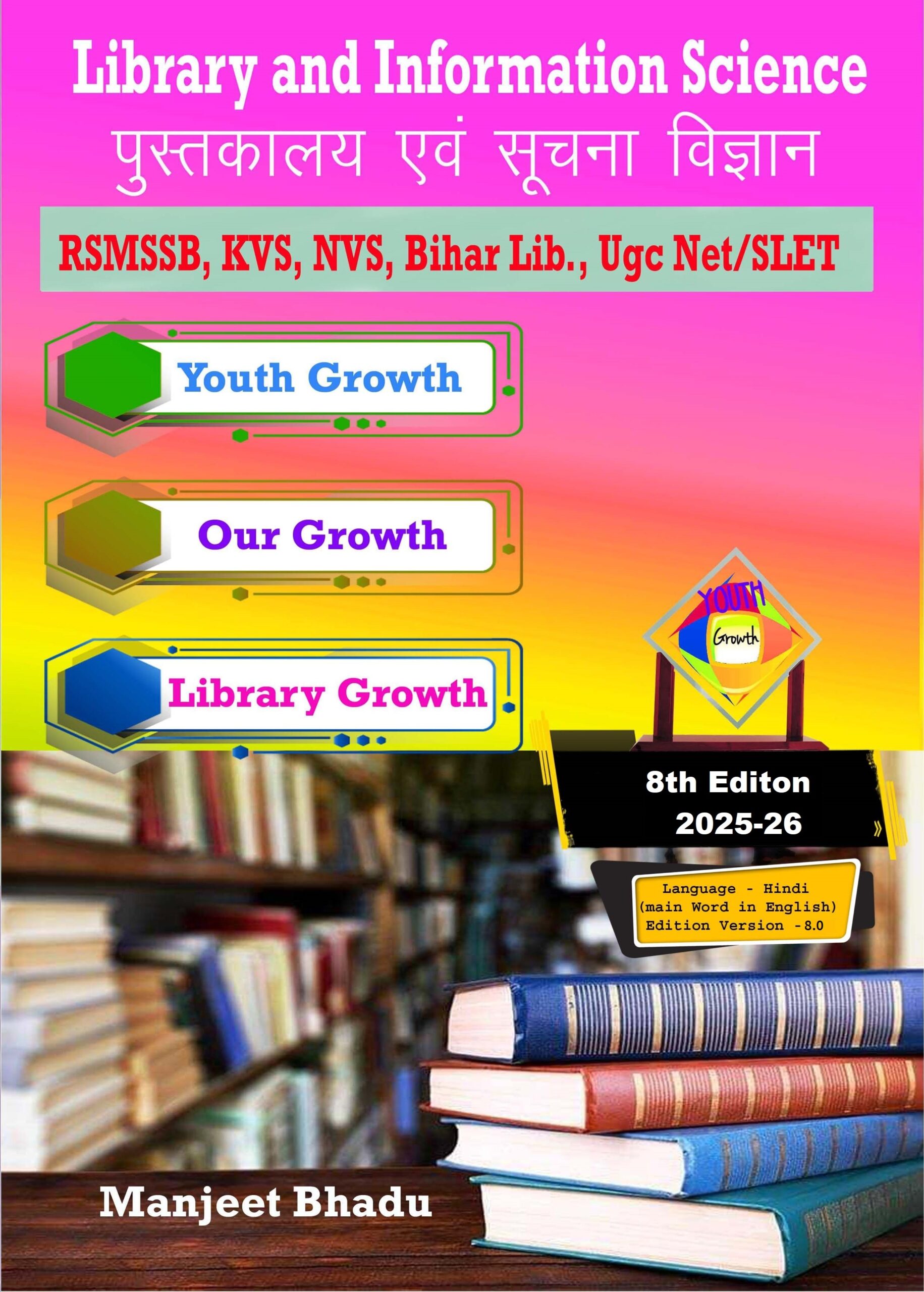
8th editionLibrary and Information Science BookEMRS · CRE · RPSC College Librarian · DSSSB · RSMSSB · KVS · NVS · Bihar Librarian · UGC NETपूरा सिलेबस, टॉपिक-वाइज़ नोट्स · घर तक डिलीवरी★ 4.7 (81)₹489
Hindi + EnglishLibrary Science MCQ Practice Set — Volume 1RPSC · RSMSSB · EMRS · DSSSB · KVS · NVS · UGC NET7000+ वस्तुनिष्ठ प्रश्न, चैप्टर-वाइज़ प्रैक्टिस सेट · उत्तर सहित★ 4.6 (36)₹259
10 अभ्यास प्रश्न / 10 Practice MCQs
WB SET पेपर-II स्तर के 10 प्रश्न — सूचना संगठन, मानक, डिजिटल पुस्तकालय और शोध प्रविधि।
Ten questions at WB SET Paper-II level — information organisation, standards, digital libraries and research methodology.
FRBR मॉडल में चार प्राथमिक इकाइयों (Group 1 entities) में से कौन-सी नहीं है?Which of these is NOT one of the four Group 1 entities in the FRBR model?
- (a) Work
- (b) Expression
- (c) Manifestation
- (d) Collection
उत्तर देखें / Show answer
(d) Collection — FRBR की Group 1 इकाइयाँ हैं — Work, Expression, Manifestation और Item. Collection इसमें नहीं आती।The FRBR Group 1 entities are Work, Expression, Manifestation and Item. Collection is not among them.
Dublin Core मेटाडेटा सेट में मूल रूप से कितने तत्व (elements) थे?How many elements did the original Dublin Core metadata set contain?
- (a) 10
- (b) 13
- (c) 15
- (d) 21
उत्तर देखें / Show answer
(c) 15 — मूल Dublin Core में 15 तत्व थे — Title, Creator, Subject आदि; बाद में योग्यक (qualifiers) जोड़े गए।The original Dublin Core had fifteen elements — Title, Creator, Subject and so on; qualifiers were added later.
OAI-PMH का उपयोग मुख्यतः किस काम के लिए होता है?OAI-PMH is used mainly for what purpose?
- (a) पुस्तक परिचालन / Book circulation
- (b) मेटाडेटा हार्वेस्टिंग / Metadata harvesting
- (c) पुस्तक बाइंडिंग / Book binding
- (d) सदस्य पंजीकरण / Member registration
उत्तर देखें / Show answer
(b) मेटाडेटा हार्वेस्टिंग / Metadata harvesting — OAI-PMH यानी Open Archives Initiative Protocol for Metadata Harvesting — इससे भंडारों (repositories) का मेटाडेटा एकत्र किया जाता है।OAI-PMH stands for the Open Archives Initiative Protocol for Metadata Harvesting, used to gather metadata from repositories.
DSpace और EPrints किस श्रेणी के सॉफ़्टवेयर हैं?DSpace and EPrints belong to which category of software?
- (a) एकीकृत पुस्तकालय प्रणाली / Integrated library system
- (b) संस्थागत भंडार / Institutional repository
- (c) संदर्भ प्रबंधक / Reference manager
- (d) सांख्यिकी पैकेज / Statistics package
उत्तर देखें / Show answer
(b) संस्थागत भंडार / Institutional repository — दोनों संस्थागत भंडार बनाने के लिए मुक्त स्रोत सॉफ़्टवेयर हैं; Koha और SOUL एकीकृत पुस्तकालय प्रणाली हैं।Both are open-source software for building institutional repositories; Koha and SOUL are integrated library systems.
ब्रैडफ़ोर्ड का नियम (Bradford’s Law) किससे संबंधित है?Bradford’s Law concerns which of the following?
- (a) शब्दों की आवृत्ति / Frequency of words
- (b) लेखकों की उत्पादकता / Productivity of authors
- (c) पत्रिकाओं में लेखों का बिखराव / Scattering of articles in journals
- (d) पुस्तकों की आयु / Ageing of books
उत्तर देखें / Show answer
(c) पत्रिकाओं में लेखों का बिखराव / Scattering of articles in journals — ब्रैडफ़ोर्ड का नियम बताता है कि किसी विषय के अधिकांश लेख थोड़ी-सी केंद्रीय पत्रिकाओं में छपते हैं; शब्द-आवृत्ति ज़िप्फ़ का नियम है और लेखक-उत्पादकता लॉटका का।Bradford’s Law describes how most articles on a subject appear in a small core of journals; word frequency is Zipf’s Law and author productivity is Lotka’s.
“h-index” किसने प्रस्तावित किया था?Who proposed the h-index?
- (a) यूजीन गारफ़ील्ड / Eugene Garfield
- (b) जॉर्ज हिर्श / Jorge Hirsch
- (c) डेरेक प्राइस / Derek Price
- (d) अल्फ़्रेड लॉटका / Alfred Lotka
उत्तर देखें / Show answer
(b) जॉर्ज हिर्श / Jorge Hirsch — भौतिकशास्त्री जॉर्ज हिर्श ने 2005 में h-index प्रस्तावित किया; गारफ़ील्ड ने इम्पैक्ट फ़ैक्टर और साइटेशन इंडेक्स दिए।The physicist Jorge Hirsch proposed the h-index in 2005; Garfield gave the impact factor and the citation index.
CCF (Common Communication Format) किस संस्था ने विकसित किया?Which organisation developed the Common Communication Format (CCF)?
- (a) IFLA
- (b) UNESCO
- (c) ISO
- (d) ALA
उत्तर देखें / Show answer
(b) UNESCO — CCF को UNESCO ने ग्रंथसूची सूचना के आदान-प्रदान के लिए विकसित किया था।CCF was developed by UNESCO for the exchange of bibliographic information.
शोध में “null hypothesis” का अर्थ क्या है?What does the “null hypothesis” mean in research?
- (a) कोई सार्थक संबंध नहीं है / There is no significant relationship
- (b) संबंध निश्चित रूप से है / The relationship certainly exists
- (c) प्रतिदर्श अपर्याप्त है / The sample is inadequate
- (d) आँकड़े अनुपलब्ध हैं / Data are unavailable
उत्तर देखें / Show answer
(a) कोई सार्थक संबंध नहीं है / There is no significant relationship — शून्य परिकल्पना यह मानकर चलती है कि चरों के बीच कोई सार्थक अंतर या संबंध नहीं है; शोध का काम उसे अस्वीकार करना या न कर पाना है।The null hypothesis assumes no significant difference or relationship between variables; research either rejects it or fails to reject it.
Koha किस प्रकार का सॉफ़्टवेयर है?What kind of software is Koha?
- (a) मालिकाना ILS / Proprietary ILS
- (b) मुक्त स्रोत एकीकृत पुस्तकालय प्रणाली / Open-source integrated library system
- (c) खोज इंजन / Search engine
- (d) ई-बुक रीडर / E-book reader
उत्तर देखें / Show answer
(b) मुक्त स्रोत एकीकृत पुस्तकालय प्रणाली / Open-source integrated library system — Koha दुनिया का पहला मुक्त स्रोत ILS है, जो 1999 में न्यूज़ीलैंड में बना।Koha is the world’s first open-source ILS, created in New Zealand in 1999.
“e-ShodhSindhu” किस प्रकार की सेवा है?What sort of service is e-ShodhSindhu?
- (a) शोध प्रबंध भंडार / Thesis repository
- (b) ई-संसाधनों का संघ (consortium) / Consortium for e-resources
- (c) पुस्तकालय सॉफ़्टवेयर / Library software
- (d) प्रशिक्षण पोर्टल / Training portal
उत्तर देखें / Show answer
(b) ई-संसाधनों का संघ (consortium) / Consortium for e-resources — e-ShodhSindhu UGC-INFLIBNET का ई-संसाधन संघ है, जो विश्वविद्यालयों को ई-जर्नल और डेटाबेस उपलब्ध कराता है; Shodhganga शोध प्रबंधों का भंडार है।e-ShodhSindhu is the UGC-INFLIBNET consortium providing e-journals and databases to universities; Shodhganga is the thesis repository.
दूसरे राज्यों के प्रश्नपत्र भी देखें / Papers from Other States
इन सबका पाठ्यक्रम UGC NET पर आधारित है, इसलिए आप किसी भी राज्य में हों, ये सब आपके अभ्यास के काम आएँगे।
All of these follow the UGC NET syllabus, so wherever you are, every one of them is usable practice.
सभी राज्यों की SET परीक्षाएँ एक जगह देखें / See every state’s SET papers in one place →
पूछे जाने वाले प्रश्न / Frequently asked
क्या WB SET सिर्फ़ पश्चिम बंगाल में मान्य है? हाँ — SET प्रमाणपत्र उसी राज्य के कॉलेज और विश्वविद्यालयों में सहायक प्राध्यापक पद के लिए पात्रता देता है जिसने परीक्षा कराई है। पर प्रश्नपत्र UGC NET के पाठ्यक्रम पर होने के कारण तैयारी की सामग्री के रूप में यह हर राज्य के अभ्यर्थी के काम का है।
Is WB SET valid only in West Bengal? Yes — a SET certificate confers eligibility for Assistant Professor posts in the colleges and universities of the state that conducted it. But because the paper follows the UGC NET syllabus, it is useful as preparation material to candidates in any state.
उत्तर-कुंजी Y सीरीज़ के लिए क्यों नहीं है? आयोग एक ही कुंजी निकालता है — X सीरीज़ की — और उसके साथ जंबलिंग ऑर्डर देता है, जिससे बाक़ी सीरीज़ वाले अपने प्रश्न-क्रम का मिलान कर सकें। दोनों फ़ाइलें ऊपर हर SET के साथ दी हैं।
Why is there no answer key for the Y series? The commission issues one key, for the X series, along with a jumbling order so candidates of the other series can map their own question order. Both files are given above with each SET.
19वें और 20वें SET में पेपर-III क्यों है? तब तक SET तीन पेपरों का होता था — पेपर-I सामान्य, पेपर-II और पेपर-III विषय के। बाद में इसे दो पेपरों में बदल दिया गया, इसलिए नए संस्करणों में सिर्फ़ पेपर-II है।
Why is there a Paper-III in the 19th and 20th SET? Until then the SET had three papers — Paper-I general, with Papers II and III on the subject. It was later reduced to two, so the recent editions carry only Paper-II.
क्या WBCSC लाइब्रेरियन की भर्ती भी करता है? हाँ — आयोग का काम पश्चिम बंगाल के लगभग 450 सरकारी सहायता प्राप्त कॉलेजों के लिए सहायक प्राध्यापक, लाइब्रेरियन और प्राचार्य चुनना भी है। उस भर्ती के प्रश्नपत्र अलग से प्रकाशित नहीं होते; मिलते ही हम यहाँ जोड़ देंगे।
Does WBCSC also recruit librarians? Yes — the commission’s remit includes selecting Assistant Professors, Librarians and Principals for the roughly 450 government-aided colleges of West Bengal. Papers from that recruitment are not published separately; we will add them here if they become available.
📝 Youth Growth Online Test Series – परीक्षा की पूरी तैयारी (Hindi + English)
नीचे दिए किसी भी Test Series में Free Demo देखें या सीधे खरीदें।
📚 Recommended books & practice sets
View all books → Youth Growth Library Science MCQ Practice SET (Hindi And English) Volume-1 For-RPSC, RSMSSB, EMRS, DSSSB, KVS, NVS, UGC NET By ManjeetBhadu
4.6(36)Youth Growth Library Science MCQ Practice SET (Hindi And English) Volume-1 Youth Growth Library Science MCQ Practice SET…
Youth Growth Library and Information Science Book - 8th edition For EMRS librarian Book, RPSC college Librarian Book, DSSSB Librarian book, RSMSSB Librarian book, KVS Librarian book, NVS Librarian book, Bihar Librarian book, UGC NET Librarian book
4.7(81)Youth growth Our Growth Library Growth book (Library and Information Science Exercise Book) for EMRS librarian Book, RPSC…
Your order
⏳ Payment verification takes up to 24 hours. Once verified, courier dispatch and shipment processing will begin within 1 working day.
1 thought on “WB SET Library and Information Science Question Paper और Answer Key — 19वें से 27वें SET तक के 31 आधिकारिक PDF (विषय कोड 19)”