Self-Determination Theory (आत्म-निर्धारण सिद्धांत) (SDT) अमेरिकी मनोवैज्ञानिक Edward L. Deci और Richard M. Ryan का सिद्धांत है, जिसे 1985 की पुस्तक Intrinsic Motivation and Self-Determination in Human Behavior में व्यवस्थित रूप मिला। इसके अनुसार व्यक्ति तब सबसे अधिक प्रेरित होता है जब उसकी तीन मूल मनोवैज्ञानिक आवश्यकताएँ पूरी हों — स्वायत्तता, सक्षमता और संबद्धता।
Self-Determination Theory (SDT) is the theory of the American psychologists Edward L. Deci and Richard M. Ryan, set out systematically in their 1985 book “Intrinsic Motivation and Self-Determination in Human Behavior”. People are most motivated when three basic psychological needs are met: autonomy, competence and relatedness.
Self-Determination Theory की तीन मूल आवश्यकताएँ / The three basic needs
हिंदी
- स्वायत्तता (Autonomy) – अपने काम और निर्णयों पर नियंत्रण का अनुभव।
- सक्षमता (Competence) – काम में कुशल और प्रभावी होने का अनुभव।
- संबद्धता (Relatedness) – दूसरों से जुड़ाव और अपनापन।
- Autonomy – a sense of control over one’s work and choices.
- Competence – feeling skilled and effective.
- Relatedness – connection and belonging with others.
आंतरिक और बाह्य प्रेरणा / Intrinsic and extrinsic motivation
हिंदी
SDT दो प्रकार की प्रेरणा बताता है — आंतरिक (intrinsic), जब काम स्वयं में आनंद देता है, और बाह्य (extrinsic), जब काम किसी बाहरी पुरस्कार या दंड के कारण होता है। Deci के 1971 के प्रयोगों में पाया गया कि रोचक काम पर पैसे का पुरस्कार देने से कभी-कभी आंतरिक प्रेरणा घट जाती है (overjustification प्रभाव)। SDT की एक उप-सिद्धांत Cognitive Evaluation Theory है; कुल छह mini-theories मानी जाती हैं।
SDT describes intrinsic motivation, when the work itself is enjoyable, and extrinsic motivation, driven by outside rewards or punishment. Deci’s 1971 experiments found that paying people for an interesting task can sometimes lower intrinsic motivation (the overjustification effect). Cognitive Evaluation Theory is one of SDT’s six mini-theories.
पुस्तकालय में Self-Determination Theory / Use in libraries
हिंदी
पुस्तकालय स्टाफ़ को काम करने के तरीके में स्वतंत्रता (स्वायत्तता), प्रशिक्षण और फ़ीडबैक (सक्षमता) और टीम-आधारित परियोजनाएँ (संबद्धता) देने से आंतरिक प्रेरणा बढ़ती है। उपयोगकर्ता शिक्षा कार्यक्रमों में भी छात्रों को स्वयं खोज करने देना उनकी स्वायत्तता और सक्षमता बढ़ाता है।
Giving library staff freedom in how they work (autonomy), training and feedback (competence) and team projects (relatedness) raises intrinsic motivation. In user-education programmes, letting students search for themselves builds their autonomy and competence.
Self-Determination Theory (आत्म-निर्धारण सिद्धांत): मुख्य तथ्य एक नज़र में / Key facts at a glance
| प्रवर्तक / Proposers | Edward L. Deci और Richard M. Ryan |
| पुस्तक / Book | Intrinsic Motivation and Self-Determination in Human Behavior, 1985 |
| तीन आवश्यकताएँ / Three needs | स्वायत्तता, सक्षमता, संबद्धता / autonomy, competence, relatedness |
| उप-सिद्धांत / Mini-theory | Cognitive Evaluation Theory (कुल 6) |
| Deci का प्रयोग / Experiment | 1971 – overjustification प्रभाव |
| प्रेरणा के प्रकार / Types | आंतरिक और बाह्य / intrinsic and extrinsic |
📌 परीक्षा के लिए याद रखें / Remember for the exam
- SDT – Deci और Ryan, 1985।
- तीन आवश्यकताएँ: Autonomy, Competence, Relatedness।
- बाहरी पुरस्कार कभी-कभी आंतरिक प्रेरणा घटाता है।
UGC NET, KVS, DSSSB, RSMSSB में इसी टॉपिक पर पूछे गए advanced और शोध-स्तर के प्रश्न, हर प्रश्न की पूरी व्याख्या के साथ, हिंदी और English दोनों में — Youth Growth Test Series में।
Can you crack exam-level questions on Self-Determination Theory? Advanced MCQs with full explanations in both Hindi and English — start with the free demo.
20 अभ्यास प्रश्न / 20 Practice MCQs
Self-Determination Theory (आत्म-निर्धारण सिद्धांत) पर आधारित 20 प्रश्न।
20 questions on Self-Determination Theory.
Self-Determination Theory किनसे जुड़ी है?Self-Determination Theory is associated with:
- (a) Deci और Ryan / Deci and Ryan
- (b) Steel और König / Steel and König
- (c) Porter और Lawler / Porter and Lawler
- (d) Kaplan और Norton / Kaplan and Norton
उत्तर देखें / Show answer
(a) Deci और Ryan / Deci and Ryan — अमेरिकी मनोवैज्ञानिक।American psychologists.
Deci और Ryan की प्रमुख पुस्तक किस वर्ष प्रकाशित हुई?In which year was Deci and Ryan’s main book published?
- (a) 1964
- (b) 2006
- (c) 1985
- (d) 1959
उत्तर देखें / Show answer
(c) 1985 — Intrinsic Motivation and Self-Determination in Human Behavior।Intrinsic Motivation and Self-Determination in Human Behavior.
SDT में कितनी मूल मनोवैज्ञानिक आवश्यकताएँ हैं?How many basic psychological needs does SDT name?
- (a) 2
- (b) 3
- (c) 5
- (d) 4
उत्तर देखें / Show answer
(b) 3 — स्वायत्तता, सक्षमता, संबद्धता।Autonomy, competence, relatedness.
इनमें से कौन SDT की मूल आवश्यकता नहीं है?Which of these is NOT a basic need in SDT?
- (a) स्वायत्तता / Autonomy
- (b) सक्षमता / Competence
- (c) संबद्धता / Relatedness
- (d) वेतन / Salary
उत्तर देखें / Show answer
(d) वेतन / Salary — वेतन बाहरी कारक है।Salary is an external factor.
अपने काम पर नियंत्रण का अनुभव क्या कहलाता है?A sense of control over one’s own work is called:
- (a) सक्षमता / Competence
- (b) स्वायत्तता / Autonomy
- (c) संबद्धता / Relatedness
- (d) सुरक्षा / Safety
उत्तर देखें / Show answer
(b) स्वायत्तता / Autonomy — SDT की पहली आवश्यकता।SDT’s first need.
काम में कुशल और प्रभावी होने का अनुभव क्या कहलाता है?Feeling skilled and effective at work is called:
- (a) सक्षमता / Competence
- (b) स्वायत्तता / Autonomy
- (c) संबद्धता / Relatedness
- (d) सम्मान / Esteem
उत्तर देखें / Show answer
(a) सक्षमता / Competence — प्रशिक्षण से बढ़ती है।Training increases it.
दूसरों से जुड़ाव और अपनापन क्या कहलाता है?Connection and belonging with others is called:
- (a) सक्षमता / Competence
- (b) स्वायत्तता / Autonomy
- (c) उपलब्धि / Achievement
- (d) संबद्धता / Relatedness
उत्तर देखें / Show answer
(d) संबद्धता / Relatedness — टीम-भावना।Team spirit.
जब काम स्वयं में आनंद देता है, वह प्रेरणा क्या कहलाती है?Motivation that comes from enjoying the work itself is:
- (a) बाह्य / Extrinsic
- (b) नकारात्मक / Negative
- (c) आंतरिक / Intrinsic
- (d) वित्तीय / Financial
उत्तर देखें / Show answer
(c) आंतरिक / Intrinsic — भीतर से उत्पन्न।It comes from within.
बाहरी पुरस्कार या दंड से होने वाली प्रेरणा क्या कहलाती है?Motivation driven by outside rewards or punishment is:
- (a) बाह्य / Extrinsic
- (b) आंतरिक / Intrinsic
- (c) स्वायत्त / Autonomous
- (d) सामाजिक / Social
उत्तर देखें / Show answer
(a) बाह्य / Extrinsic — जैसे बोनस, दंड।Such as a bonus or a penalty.
रोचक काम पर पैसे का पुरस्कार आंतरिक प्रेरणा घटा दे — यह क्या कहलाता है?When paying for an interesting task lowers intrinsic motivation, it is called:
- (a) Hawthorne प्रभाव / Hawthorne effect
- (b) Halo प्रभाव / Halo effect
- (c) Overjustification प्रभाव / Overjustification effect
- (d) Pygmalion प्रभाव / Pygmalion effect
उत्तर देखें / Show answer
(c) Overjustification प्रभाव / Overjustification effect — Deci के प्रयोगों में देखा गया।Seen in Deci’s experiments.
Deci के प्रसिद्ध प्रयोग किस वर्ष के हैं?In which year were Deci’s well-known experiments?
- (a) 1985
- (b) 1971
- (c) 1959
- (d) 2000
उत्तर देखें / Show answer
(b) 1971 — आंतरिक प्रेरणा पर।On intrinsic motivation.
SDT का एक उप-सिद्धांत कौन सा है?Which is a mini-theory within SDT?
- (a) Expectancy Theory
- (b) Equity Theory
- (c) Goal-setting Theory
- (d) Cognitive Evaluation Theory
उत्तर देखें / Show answer
(d) Cognitive Evaluation Theory — कुल छह mini-theories।There are six mini-theories.
SDT में कितनी mini-theories मानी जाती हैं?How many mini-theories does SDT have?
- (a) 3
- (b) 6
- (c) 4
- (d) 8
उत्तर देखें / Show answer
(b) 6 — Cognitive Evaluation Theory उनमें से एक।Cognitive Evaluation Theory is one.
पुस्तकालय स्टाफ़ को काम करने के तरीके में स्वतंत्रता देना किस आवश्यकता को पूरा करता है?Giving library staff freedom in how they work meets which need?
- (a) स्वायत्तता / Autonomy
- (b) सक्षमता / Competence
- (c) संबद्धता / Relatedness
- (d) सुरक्षा / Safety
उत्तर देखें / Show answer
(a) स्वायत्तता / Autonomy — आंतरिक प्रेरणा बढ़ती है।It raises intrinsic motivation.
स्टाफ़ को प्रशिक्षण और फ़ीडबैक देना किस आवश्यकता को पूरा करता है?Training and feedback for staff meet which need?
- (a) स्वायत्तता / Autonomy
- (b) संबद्धता / Relatedness
- (c) शारीरिक / Physiological
- (d) सक्षमता / Competence
उत्तर देखें / Show answer
(d) सक्षमता / Competence — कुशलता का अनुभव।A sense of skill.
टीम-आधारित परियोजनाएँ किस आवश्यकता को पूरा करती हैं?Team projects meet which need?
- (a) स्वायत्तता / Autonomy
- (b) सक्षमता / Competence
- (c) संबद्धता / Relatedness
- (d) सुरक्षा / Safety
उत्तर देखें / Show answer
(c) संबद्धता / Relatedness — जुड़ाव और अपनापन।Connection and belonging.
SDT किस प्रकार का सिद्धांत है?What kind of theory is SDT?
- (a) मानव प्रेरणा और व्यक्तित्व का सिद्धांत / A theory of human motivation and personality
- (b) वर्गीकरण सिद्धांत / A classification theory
- (c) बजट पद्धति / A budgeting method
- (d) सूचीकरण नियम / A cataloguing rule
उत्तर देखें / Show answer
(a) मानव प्रेरणा और व्यक्तित्व का सिद्धांत / A theory of human motivation and personality — मनोविज्ञान आधारित।Psychology-based.
Deci और Ryan किस देश के मनोवैज्ञानिक हैं?Deci and Ryan are psychologists from which country?
- (a) ब्रिटेन / UK
- (b) जापान / Japan
- (c) अमेरिका / USA
- (d) कनाडा / Canada
उत्तर देखें / Show answer
(c) अमेरिका / USA — University of Rochester से जुड़े रहे।Long associated with the University of Rochester.
उपयोगकर्ता शिक्षा में छात्रों को स्वयं खोज करने देना किसे बढ़ाता है?Letting students search for themselves in user education builds:
- (a) केवल वेतन / Only pay
- (b) स्वायत्तता और सक्षमता / Autonomy and competence
- (c) केवल दंड / Only penalty
- (d) केवल उपस्थिति / Only attendance
उत्तर देखें / Show answer
(b) स्वायत्तता और सक्षमता / Autonomy and competence — SDT के अनुरूप।In line with SDT.
SDT के अनुसार प्रेरणा कब सबसे अधिक होती है?According to SDT, when is motivation highest?
- (a) जब वेतन अधिकतम हो / When pay is highest
- (b) जब निगरानी कड़ी हो / When supervision is strict
- (c) जब काम कम हो / When work is light
- (d) जब तीनों मूल आवश्यकताएँ पूरी हों / When all three basic needs are met
उत्तर देखें / Show answer
(d) जब तीनों मूल आवश्यकताएँ पूरी हों / When all three basic needs are met — स्वायत्तता, सक्षमता, संबद्धता।Autonomy, competence and relatedness.
Self-Determination Theory (आत्म-निर्धारण सिद्धांत) पर इस पेज के प्रश्न सिर्फ़ शुरुआत हैं। Youth Growth Test Series में इसी टॉपिक के और कठिन, गहराई वाले प्रश्न हैं — हर प्रश्न हिंदी और English दोनों में व्याख्या सहित, चैप्टर-वाइज़ टेस्ट और हर टेस्ट के बाद रिपोर्ट, जिससे कमज़ोर टॉपिक तुरंत पकड़ में आता है।
Finished these 20? The Youth Growth Test Series has tougher, deeper questions on Self-Determination Theory, in both Hindi and English with explanations, chapter-wise tests and a report after every test.
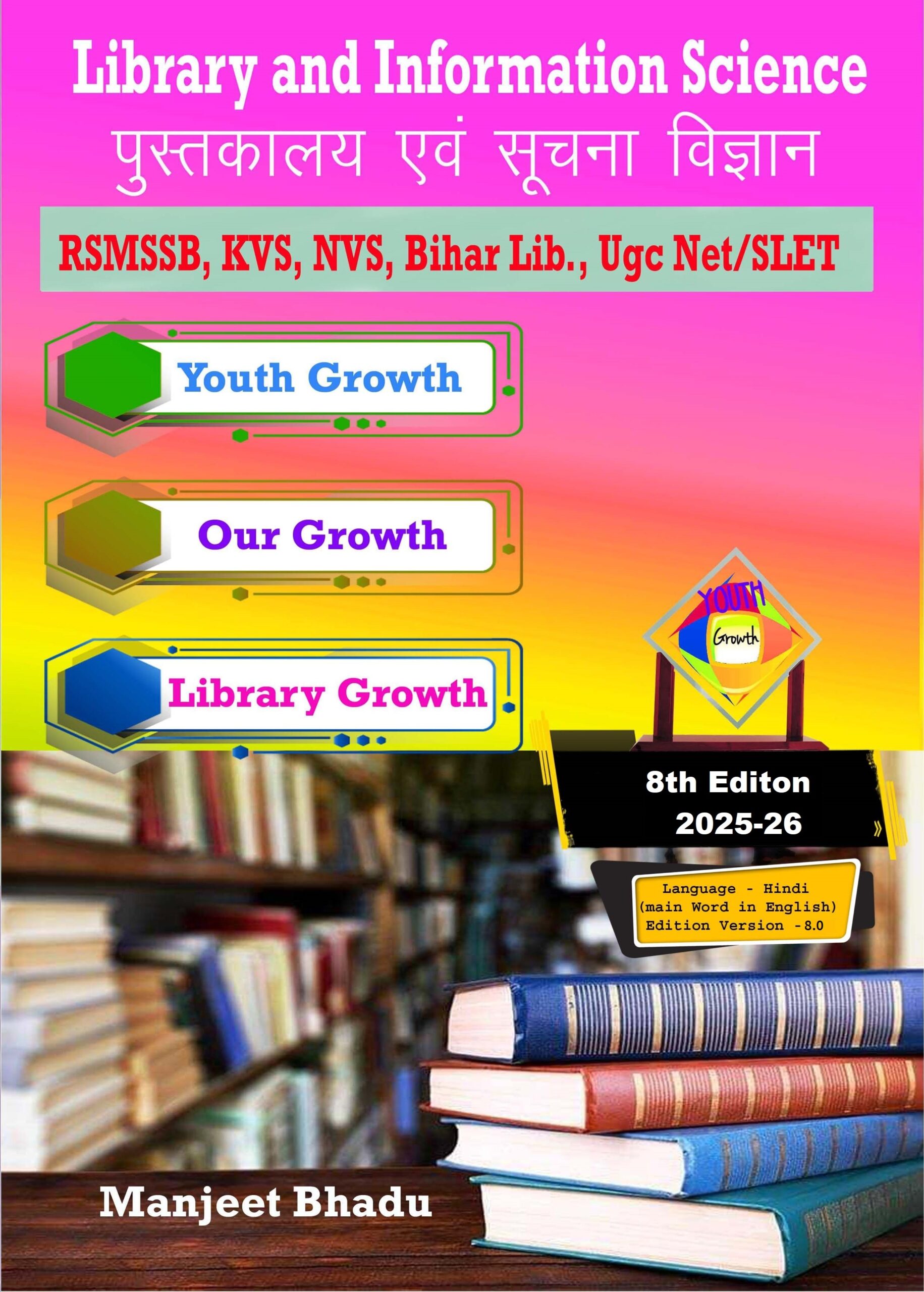 8th editionLibrary and Information Science BookEMRS · CRE · RPSC College Librarian · DSSSB · RSMSSB · KVS · NVS · Bihar Librarian · UGC NET
पूरा सिलेबस, टॉपिक-वाइज़ नोट्स · घर तक डिलीवरी★ 4.7 (81)₹489
 Hindi + EnglishLibrary Science MCQ Practice Set — Volume 1RPSC · RSMSSB · EMRS · DSSSB · KVS · NVS · UGC NET
7000+ वस्तुनिष्ठ प्रश्न, चैप्टर-वाइज़ प्रैक्टिस सेट · उत्तर सहित★ 4.6 (36)₹259
Self-Determination Theory (आत्म-निर्धारण सिद्धांत) की तैयारी कैसे करें / How to prepare
- ऊपर की थ्योरी और तालिका एक बार ध्यान से पढ़ें; व्यक्ति, वर्ष और परिभाषाएँ अलग से नोट करें।
- नीचे के 20 प्रश्न उत्तर देखे बिना हल करें, फिर व्याख्या मिलाएँ।
- गलत हुए प्रश्नों के तथ्य अगले दिन दोहराएँ।
- पूरे यूनिट का परीक्षा-स्तर अभ्यास Youth Growth Online Test Series में करें — चैप्टर-वाइज़ टेस्ट, व्याख्या और प्रदर्शन रिपोर्ट के साथ। / Practise the whole unit at exam level in the Youth Growth Online Test Series.
उपयोगी लिंक
- सभी Library Topic / All Library Topics
- Motivation Theories (अभिप्रेरणा)
- Theory X and Theory Y
- Youth Growth Book Store
- Center for Self-Determination Theory (आधिकारिक स्रोत)
📝 Youth Growth Online Test Series – परीक्षा की पूरी तैयारी (Hindi + English)
नीचे दिए किसी भी Test Series में Free Demo देखें या सीधे खरीदें।
📚 Recommended books & practice sets
View all books → Youth Growth Library Science MCQ Practice SET (Hindi And English) Volume-1 For-RPSC, RSMSSB, EMRS, DSSSB, KVS, NVS, UGC NET By ManjeetBhadu
4.6(36)Youth Growth Library Science MCQ Practice SET (Hindi And English) Volume-1 Youth Growth Library Science MCQ Practice SET…
Youth Growth Library and Information Science Book - 8th edition For EMRS librarian Book, RPSC college Librarian Book, DSSSB Librarian book, RSMSSB Librarian book, KVS Librarian book, NVS Librarian book, Bihar Librarian book, UGC NET Librarian book
4.7(81)Youth growth Our Growth Library Growth book (Library and Information Science Exercise Book) for EMRS librarian Book, RPSC…
Your order
⏳ Payment verification takes up to 24 hours. Once verified, courier dispatch and shipment processing will begin within 1 working day.