दिल्ली विश्वविद्यालय (DU) ने M.Phil / Ph.D in Library and Information Science प्रवेश परीक्षा के प्रश्नपत्र उत्तर सहित अपनी आधिकारिक वेबसाइट पर उपलब्ध कराए हैं। नीचे सीधा PDF डाउनलोड लिंक दिया गया है।
The University of Delhi has made the M.Phil / Ph.D entrance question papers in Library and Information Science, along with answers, available on its official website.
परीक्षा का विवरण / Exam Details
| विश्वविद्यालय / University | दिल्ली विश्वविद्यालय (DU) |
| परीक्षा / Exam | M.Phil / Ph.D प्रवेश परीक्षा (DUET) |
| विषय / Subject | Library and Information Science |
| उपलब्ध / Available | प्रश्नपत्र उत्तर सहित |
| प्रश्न प्रकार / Type | बहुविकल्पीय (MCQ) |
| आधिकारिक वेबसाइट | du.ac.in |
Ph.D प्रवेश परीक्षा का स्तर / Level of a Ph.D entrance test
Ph.D प्रवेश परीक्षा का स्तर UGC NET से भी थोड़ा ऊपर रहता है। इसमें शोध पद्धति (Research Methodology), सांख्यिकी, ग्रंथमिति, सूचना पुनर्प्राप्ति, डिजिटल लाइब्रेरी और समकालीन मुद्दों पर ज़्यादा प्रश्न आते हैं। केवल तथ्य रटने से काम नहीं चलता — अवधारणाएँ स्पष्ट होनी चाहिए।
A Ph.D entrance paper sits slightly above UGC NET in difficulty, leaning on research methodology, statistics, bibliometrics, information retrieval, digital libraries and current issues. Memorising facts alone is not enough.
तैयारी कैसे करें / How to prepare
- शोध पद्धति सबसे पहले पढ़ें — परिकल्पना, नमूना चयन, चर (variables), विश्वसनीयता एवं वैधता।
- ग्रंथमिति के नियम (Bradford, Zipf, Lotka) और मापक (Impact Factor, h-index) अच्छी तरह समझें।
- UGC NET के पेपर आधार के रूप में हल करें, फिर Ph.D स्तर पर जाएँ।
- अपनी रुचि का शोध क्षेत्र पहले से तय रखें — साक्षात्कार में यही पूछा जाता है।
अगर ऊपर दिए गए प्रश्नपत्र में कोई प्रश्न, टॉपिक या चैप्टर समझ में न आए, तो नीचे दिया गया कोर्स उसी कमी को भरने के लिए बना है:
- हिंदी और English दोनों में — जिस भाषा में पेपर देना है, अभ्यास भी उसी भाषा में।
- नवीनतम सिलेबस के अनुसार अपडेटेड — UGC NET और अन्य भर्तियों के सिलेबस में जो बदलाव हुए हैं, वे सब शामिल।
- लाइब्रेरी साइंस के ताज़ा करंट अफेयर्स — नए नियम, नई संस्थाएँ, नए पदाधिकारी और नई योजनाएँ, जो पुरानी किताबों में नहीं मिलतीं।
- पुराने प्रश्नपत्र भी अंदर शामिल — बिखरे हुए नहीं, बल्कि चैप्टर-वाइज़ बँटे हुए, ताकि एक ही टॉपिक के सारे पुराने प्रश्न एक साथ हल हों।
- 23,000+ प्रश्न, 138 चैप्टर, 700+ टॉपिक — हर टेस्ट के बाद रिपोर्ट मिलती है, जिससे कमज़ोर टॉपिक तुरंत पकड़ में आ जाता है।
- फ्री डेमो उपलब्ध — पैसे लगाने से पहले खुद परख लें।
सबसे अच्छा तरीका: ऊपर दिया गया पुराना प्रश्नपत्र पहले खुद हल करें, फिर जिन टॉपिक में गलती हुई उन्हीं चैप्टर के टेस्ट कोर्स में लगाएँ। दो-तीन हफ़्ते में फ़र्क़ साफ़ दिखने लगेगा।
If any question, topic or chapter in the paper above is still unclear, the course below is built to close exactly that gap:
- In both Hindi and English — practise in the same language you will write the exam in.
- Updated to the latest syllabus — every recent change in the UGC NET and other recruitment syllabi is already covered.
- Latest library science current affairs — new rules, new institutions, new office bearers and new schemes that older books simply do not carry.
- Previous year papers included — not scattered, but sorted chapter-wise, so every old question on one topic comes together.
- 23,000+ questions, 138 chapters, 700+ topics — a report after every test shows your weak topics at once.
- Free demo available — try it yourself before you pay.
The best way: first solve the paper above on your own, then take the chapter tests for exactly the topics you got wrong. The difference shows within two or three weeks.
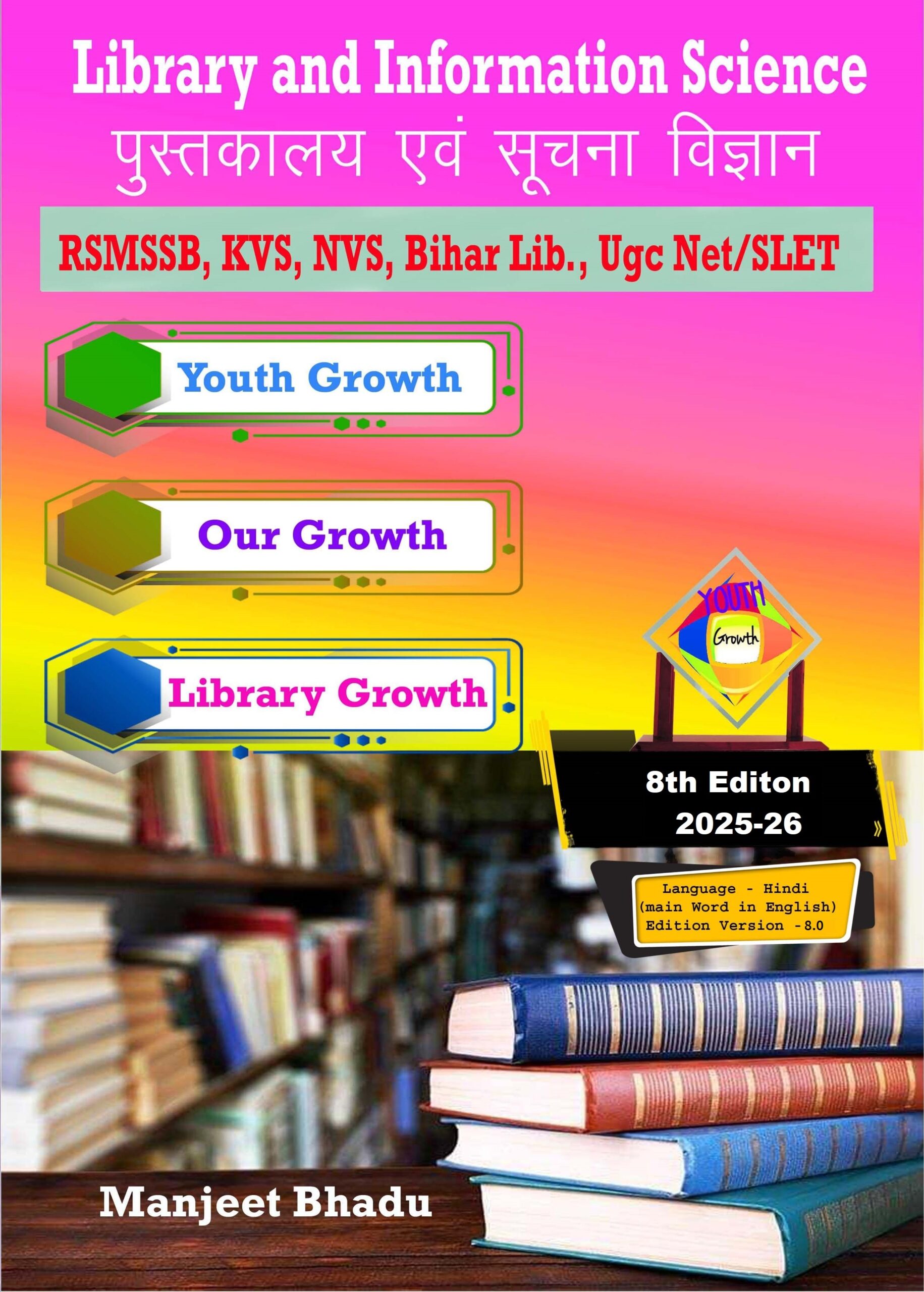 8th editionLibrary and Information Science BookEMRS · CRE · RPSC College Librarian · DSSSB · RSMSSB · KVS · NVS · Bihar Librarian · UGC NET
पूरा सिलेबस, टॉपिक-वाइज़ नोट्स · घर तक डिलीवरी★ 4.7 (81)₹489
 Hindi + EnglishLibrary Science MCQ Practice Set — Volume 1RPSC · RSMSSB · EMRS · DSSSB · KVS · NVS · UGC NET
7000+ वस्तुनिष्ठ प्रश्न, चैप्टर-वाइज़ प्रैक्टिस सेट · उत्तर सहित★ 4.6 (36)₹259
10 अभ्यास प्रश्न / 10 Practice MCQs
शोध पद्धति एवं Ph.D प्रवेश स्तर के 10 अभ्यास प्रश्न (ये मूल प्रश्नपत्र के प्रश्न नहीं हैं)।
Ten practice questions on research methodology at Ph.D entrance level — not the actual questions from the official paper.
“Hypothesis” का अर्थ क्या है?What is a hypothesis?
- (a) सिद्ध तथ्य / A proven fact
- (b) जाँचने योग्य अस्थायी कथन / A testable tentative statement
- (c) अंतिम निष्कर्ष / The final conclusion
- (d) प्रश्नावली / A questionnaire
उत्तर देखें / Show answer
(b) जाँचने योग्य अस्थायी कथन / A testable tentative statement — शोध में परखी जाने वाली अस्थायी धारणा।A tentative proposition that the research sets out to test.
“Null Hypothesis” क्या दर्शाती है?What does a null hypothesis state?
- (a) कोई सार्थक अंतर नहीं है / That there is no significant difference
- (b) बड़ा अंतर है / That there is a large difference
- (c) शोध गलत है / That the research is wrong
- (d) डेटा अधूरा है / That data is incomplete
उत्तर देखें / Show answer
(a) कोई सार्थक अंतर नहीं है / That there is no significant difference — H₀ — चरों के बीच कोई सार्थक संबंध या अंतर नहीं।H₀ — there is no significant relationship or difference between the variables.
“Random Sampling” की मुख्य विशेषता क्या है?What is the key feature of random sampling?
- (a) हर इकाई के चुने जाने की समान संभावना / Every unit has an equal chance of selection
- (b) शोधकर्ता की पसंद / Researcher’s choice
- (c) केवल पास के लोग / Only nearby people
- (d) केवल विशेषज्ञ / Only experts
उत्तर देखें / Show answer
(a) हर इकाई के चुने जाने की समान संभावना / Every unit has an equal chance of selection — यादृच्छिक नमूने में पक्षपात (bias) सबसे कम होता है।Random sampling keeps bias to a minimum.
“Questionnaire” और “Schedule” में क्या अंतर है?What is the difference between a questionnaire and a schedule?
- (a) कोई अंतर नहीं / No difference
- (b) प्रश्नावली उत्तरदाता स्वयं भरता है, अनुसूची शोधकर्ता भरता है / A questionnaire is filled by the respondent, a schedule by the researcher
- (c) प्रश्नावली छोटी होती है / A questionnaire is shorter
- (d) अनुसूची केवल ऑनलाइन / A schedule is only online
उत्तर देखें / Show answer
(b) प्रश्नावली उत्तरदाता स्वयं भरता है, अनुसूची शोधकर्ता भरता है / A questionnaire is filled by the respondent, a schedule by the researcher — यही दोनों के बीच का मूल अंतर है।That is the basic difference between the two.
“Literature Review” क्यों किया जाता है?Why is a literature review done?
- (a) समय बिताने के लिए / To pass time
- (b) पहले हुए शोध को समझकर अपनी जगह तय करने के लिए / To understand earlier work and locate your own study
- (c) पुस्तक बेचने के लिए / To sell books
- (d) परीक्षा के लिए / For exams
उत्तर देखें / Show answer
(b) पहले हुए शोध को समझकर अपनी जगह तय करने के लिए / To understand earlier work and locate your own study — इससे शोध अंतराल (research gap) पहचाना जाता है।It helps identify the research gap.
“Primary Data” किसे कहते हैं?What is primary data?
- (a) पहले से प्रकाशित डेटा / Already published data
- (b) शोधकर्ता द्वारा स्वयं एकत्र किया गया डेटा / Data collected first-hand by the researcher
- (c) गलत डेटा / Wrong data
- (d) पुराना डेटा / Old data
उत्तर देखें / Show answer
(b) शोधकर्ता द्वारा स्वयं एकत्र किया गया डेटा / Data collected first-hand by the researcher — सर्वेक्षण, साक्षात्कार या प्रेक्षण से सीधे जुटाया गया डेटा।Data gathered directly through survey, interview or observation.
“Citation Analysis” किससे संबंधित है?What does citation analysis study?
- (a) पुस्तक का मूल्य / Book price
- (b) उद्धरणों के पैटर्न का अध्ययन / The pattern of citations
- (c) पाठक की आयु / Reader age
- (d) भवन / Buildings
उत्तर देखें / Show answer
(b) उद्धरणों के पैटर्न का अध्ययन / The pattern of citations — कौन-सा शोध कितना और किसके द्वारा उद्धृत हुआ, इसका अध्ययन।How often and by whom a piece of research is cited.
“Impact Factor” की गणना किस अवधि के आधार पर होती है?Over what period is the Impact Factor calculated?
- (a) पिछले 1 वर्ष / Previous 1 year
- (b) पिछले 2 वर्ष / Previous 2 years
- (c) पिछले 5 वर्ष / Previous 5 years
- (d) पूरे इतिहास / Entire history
उत्तर देखें / Show answer
(b) पिछले 2 वर्ष / Previous 2 years — मानक Impact Factor पिछले दो वर्षों के उद्धरणों पर आधारित होता है।The standard Impact Factor is based on citations over the previous two years.
“Content Analysis” किस प्रकार की विधि है?What kind of method is content analysis?
- (a) प्रायोगिक / Experimental
- (b) दस्तावेज़ों की व्यवस्थित जाँच / Systematic examination of documents
- (c) केवल गणितीय / Purely mathematical
- (d) केवल साक्षात्कार / Only interviews
उत्तर देखें / Show answer
(b) दस्तावेज़ों की व्यवस्थित जाँच / Systematic examination of documents — पाठ्य सामग्री का व्यवस्थित एवं वस्तुनिष्ठ विश्लेषण।A systematic, objective analysis of textual material.
“Plagiarism” से बचने का सबसे सरल तरीका क्या है?What is the simplest way to avoid plagiarism?
- (a) लिखना बंद कर देना / Stop writing
- (b) स्रोत का सही उद्धरण देना / Citing sources correctly
- (c) शब्द बदल देना / Changing a few words
- (d) पुराना शोध चुनना / Choosing old research
उत्तर देखें / Show answer
(b) स्रोत का सही उद्धरण देना / Citing sources correctly — हर उधार लिए विचार और वाक्य का उचित संदर्भ देना।Giving proper credit to every borrowed idea and sentence.
📝 Youth Growth Online Test Series – परीक्षा की पूरी तैयारी (Hindi + English)
नीचे दिए किसी भी Test Series में Free Demo देखें या सीधे खरीदें।
📚 Recommended books & practice sets
View all books → Youth Growth Library Science MCQ Practice SET (Hindi And English) Volume-1 For-RPSC, RSMSSB, EMRS, DSSSB, KVS, NVS, UGC NET By ManjeetBhadu
4.6(36)Youth Growth Library Science MCQ Practice SET (Hindi And English) Volume-1 Youth Growth Library Science MCQ Practice SET…
Youth Growth Library and Information Science Book - 8th edition For EMRS librarian Book, RPSC college Librarian Book, DSSSB Librarian book, RSMSSB Librarian book, KVS Librarian book, NVS Librarian book, Bihar Librarian book, UGC NET Librarian book
4.7(81)Youth growth Our Growth Library Growth book (Library and Information Science Exercise Book) for EMRS librarian Book, RPSC…
Your order
⏳ Payment verification takes up to 24 hours. Once verified, courier dispatch and shipment processing will begin within 1 working day.